Come evitare che i materiali abrasivi durante la burattatura si incastrino in fori, fessure e filettature.
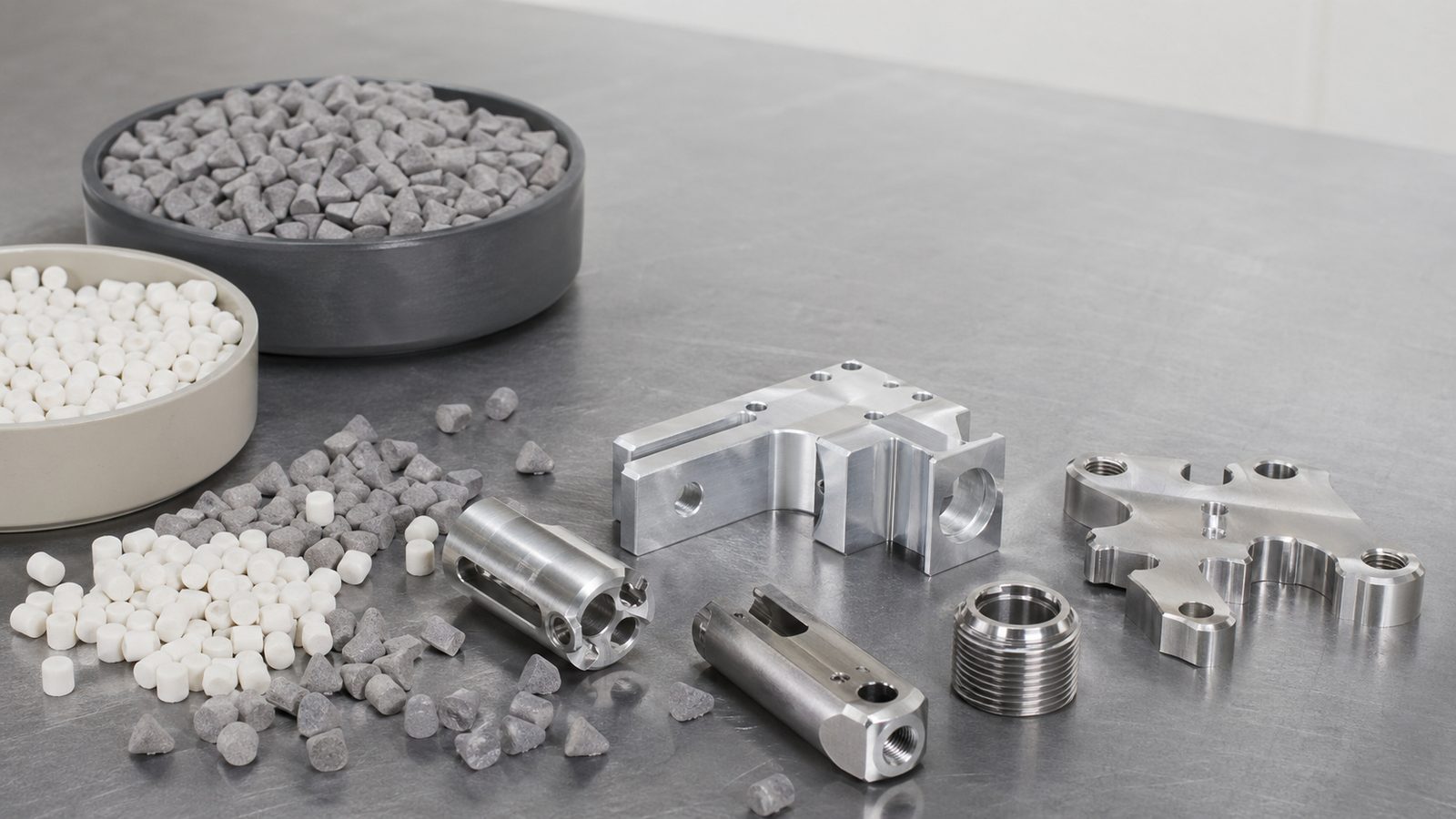
L'incastro dei materiali abrasivi è uno dei problemi più comuni nella finitura di massa. Quando i materiali abrasivi in ceramica, plastica o acciaio si bloccano all'interno di fori, fessure, scanalature, filettature o cavità cieche, rallentano la produzione, aumentano il lavoro di pulizia manuale e possono persino danneggiare i pezzi finiti.
La buona notizia è che la maggior parte dei problemi di incastro può essere ridotta prima dell'inizio della produzione. La chiave è abbinare la geometria del pezzo al movimento della macchina, alla forma e alla granulometria del materiale abrasivo, al composto, al metodo di separazione e al tempo di processo corretti. Questa guida spiega come diagnosticare la causa e realizzare un processo di finitura più affidabile.
Perché i media rimangono bloccati in parti
L'incastro del materiale abrasivo si verifica solitamente quando il materiale può penetrare in una caratteristica del prodotto ma non può fuoriuscire facilmente durante il ciclo di finitura. Questo è un problema comune nei pezzi lavorati a CNC, nei pezzi pressofusi, nei pezzi in alluminio lavorati, nei componenti in acciaio inossidabile, nei pezzi in lega di zinco e nella piccola ferramenta di precisione.
Disallineamento geometrico
Se la dimensione del materiale abrasivo è troppo vicina al foro, alla fessura, alla scanalatura o al passo della filettatura, può incastrarsi nel pezzo durante le vibrazioni o la burattatura.
Forma errata del supporto
Triangoli, coni, cilindri, sfere e supporti tagliati ad angolo si comportano in modo diverso. Una forma che funziona bene su superfici aperte può incastrarsi all'interno di fori ciechi.
azione di taglio eccessiva
I materiali di taglio più aggressivi possono penetrare in modo più deciso nei bordi e nelle cavità, soprattutto quando il pezzo presenta transizioni nette o cavità profonde.
Scarsa separazione
Anche se il materiale di riempimento non si deposita durante il processo, può rimanere all'interno delle cavità se le fasi di scarico, risciacquo o setacciatura non sono progettate correttamente.
Inizia dalla geometria del pezzo, non dalla macchina.
Prima di scegliere un macchina per finitura vibratoria o qualsiasi altra apparecchiatura di finitura di massa, ispezionare le caratteristiche del pezzo che potrebbero intrappolare il materiale abrasivo. Le dimensioni più importanti sono il diametro del foro, la larghezza della fessura, la profondità della scanalatura, la dimensione della filettatura, la profondità della cavità cieca e la direzione delle aperture.
Una regola semplice è quella di evitare supporti che possano entrare in un foro e ruotare bloccandosi in posizione. Ad esempio, un supporto leggermente più piccolo di un foro potrebbe entrare facilmente, ma diventare difficile da rimuovere dopo le vibrazioni, soprattutto se il foro è profondo o filettato.
Guida alla selezione dei media per la prevenzione degli alloggi temporanei
| Caratteristica della parte | Rischio comune | Una scelta mediatica migliore | Nota di processo |
|---|---|---|---|
| Fori passanti di piccole dimensioni | I media entrano e bloccano il buco | Utilizzare un mezzo di diametro maggiore del foro, oppure molto più piccolo se può passare liberamente. | Evitare che la dimensione del mezzo filtrante sia vicina al diametro del foro. |
| buchi ciechi | I media possono entrare ma non uscire. | Si consiglia di prendere in considerazione forme arrotondate o non a cuneo. | Dopo la finitura potrebbe essere necessario risciacquare e asciugare con aria compressa. |
| fessure strette | I supporti tagliati ad angolo si incastrano nella fessura | Utilizzare forme più arrotondate o regolare le dimensioni del supporto. | Verificare la larghezza e la profondità della fessura prima della produzione. |
| Fili | I supporti si bloccano nel passo della filettatura | Utilizzare strumenti più piccoli e lisci oppure evitare forme angolari aggressive. | Proteggere le filettature critiche quando sono richieste tolleranze ristrette. |
| pressofusioni complesse | I media rimangono nelle costole, nelle tasche o nelle cavità | Test media plastici o forme ceramiche selezionate | Progettare la separazione fin dall'inizio del processo, non come un ripensamento successivo. |
Materiali ceramici o materiali plastici?
Media ceramici Viene spesso utilizzato per una sbavatura più efficace, per smussare i bordi e per levigare le superfici. È resistente ed efficace, ma alcune forme potrebbero incastrarsi in fori o fessure se la dimensione non viene scelta con attenzione.
supporti plastici Solitamente è più leggero e più adatto a metalli più morbidi, componenti in alluminio, fusioni in lega di zinco e componenti in cui è necessario ridurre l'impatto superficiale. Per componenti con bordi delicati o superfici decorative, i materiali plastici possono ridurre i danni tra i pezzi e contribuire a creare una finitura più controllata.
La scelta migliore dipende dal materiale, dalla dimensione delle bave, dalla superficie di destinazione e dalla geometria del pezzo. Per i pezzi con molti fori e incavi, la forma e le dimensioni del materiale abrasivo sono spesso più importanti della semplice scelta tra ceramica o plastica.
Anche il movimento delle macchine è importante
Macchine diverse muovono parti e materiali in modi diversi. Una ciotola vibrante standard è efficiente per molti lotti, mentre vibratori per vasca vengono spesso utilizzati per componenti più lunghi o più grandi. Macchine per la finitura delle botti Possono essere utili per un'azione di rotolamento più delicata, mentre i sistemi centrifughi possono ridurre i tempi di ciclo per i pezzi adatti.
Se il problema dell'intasamento si ripete, non limitarti a cambiare il mezzo di coltura. Rivedi l'intero processo: rapporto di carico della macchina, livello dell'acqua, concentrazione del composto, rapporto parte-mezzo di coltura, tempo di ciclo e metodo di separazione.
Utilizzare correttamente il composto e il flusso d'acqua.
Composti di finitura Contribuisce a pulire la superficie, a controllare la schiuma, a mantenere in sospensione le particelle rimosse e a migliorare il movimento del materiale abrasivo. Una lubrificazione insufficiente può aumentare l'attrito e rendere più probabile che il materiale abrasivo si incastri nelle parti del pezzo.
Nella finitura a umido, l'acqua e la pasta abrasiva devono favorire un'azione di rullatura uniforme. Una quantità insufficiente di liquido può rendere la massa troppo secca e aggressiva. Un eccesso di liquido può ridurre l'efficienza della finitura e compromettere il movimento del materiale abrasivo. L'intervallo corretto dipende dalla macchina, dal materiale abrasivo e dal carico del pezzo, pertanto si consiglia di effettuare delle prove su campioni prima della produzione.
Errori comuni da evitare
- La scelta del materiale si basa unicamente sulla resistenza al taglio, senza verificare le dimensioni dei fori e delle fessure.
- Utilizzare un unico formato di supporto per ogni componente in fabbrica.
- Eseguire cicli di lavoro più lunghi per risolvere un problema che in realtà è causato da un formato del supporto di memorizzazione errato.
- Ignorare le operazioni di scarico e separazione fino a quando il processo non sarà già stato risolto.
- Utilizzare materiali aggressivi su parti filettate delicate o lavorate con precisione senza averle prima testate.
- Dimenticare di verificare se il materiale filtrante può essere rimosso mediante risciacquo, setacciatura, soffiaggio ad aria o ispezione manuale.
Procedura di test consigliata
Per i pezzi con fori, fessure, filettature o cavità interne, l'approccio più sicuro è quello di testare diverse opzioni di abrasivo prima di confermare la produzione in serie. Un test pratico dovrebbe confrontare il risultato della finitura, la rimozione delle bave, la rugosità superficiale, la velocità di intasamento, l'efficienza di separazione e il tempo totale del ciclo.
Tecnologie correlate
Se state costruendo o migliorando un processo di finitura di massa, queste pagine possono aiutarvi a confrontare attrezzature e materiali di consumo adatti:
Hai bisogno di aiuto per scegliere il materiale di stampa per componenti complessi?
Se i vostri pezzi presentano fori, fessure, scanalature, filettature o cavità cieche, inviateci il materiale del pezzo, le dimensioni, le condizioni attuali della superficie, la presenza di bave e la finitura desiderata. Il nostro team di finitura potrà consigliarvi la macchina, la forma del materiale abrasivo, la pasta abrasiva e il processo di prova del campione più adatti.
Contatta JINTAIJIN per discutere del tuo processo di finitura.
 +86-592-2381506


 Rete IPv6 supportata